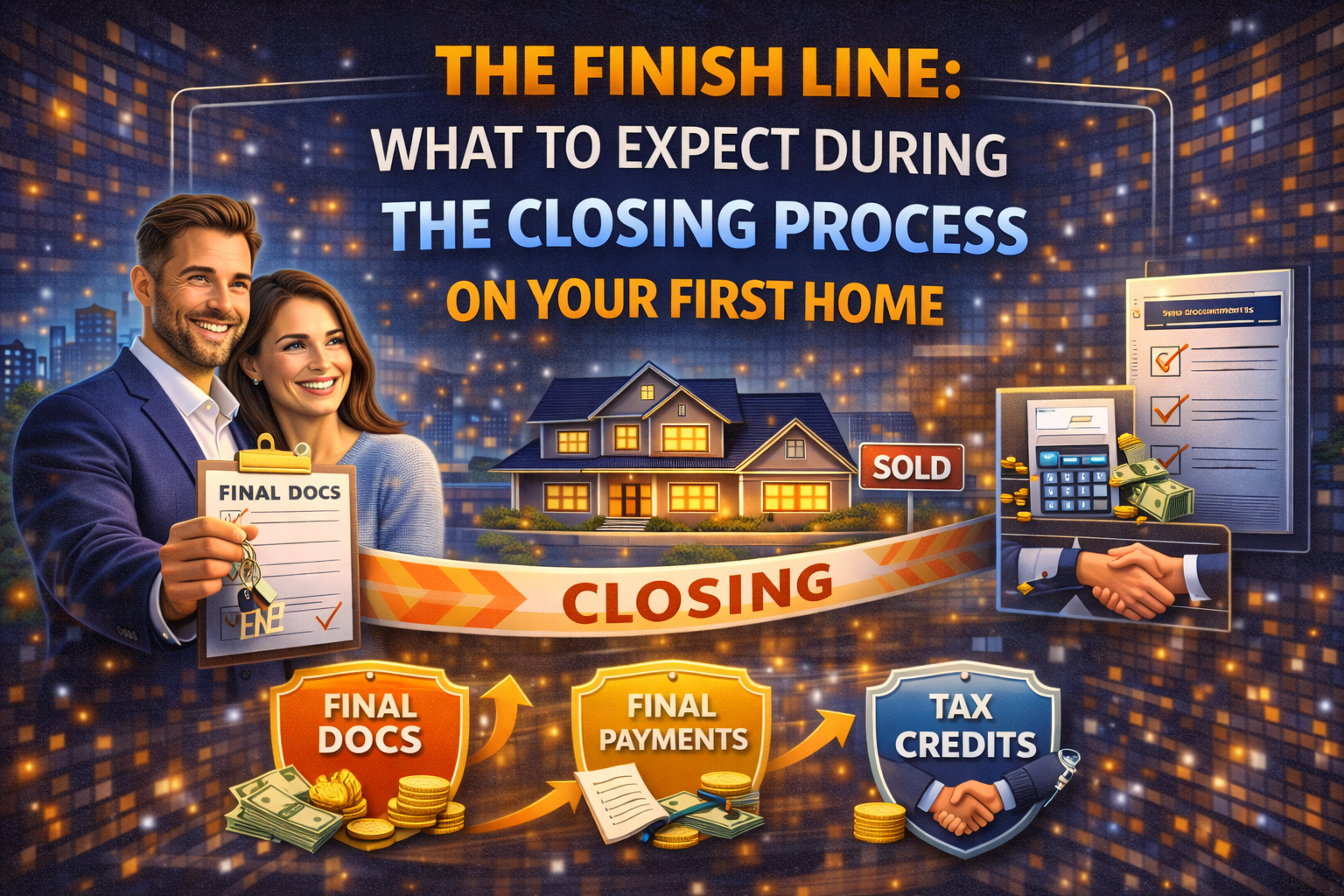
Nervous about your final walk-through? Learn exactly what happens during the Closing Process on Your First Home to ensure a smooth transition to ownership.
Table of Contents
I remember sitting in a quiet title office back in 2018 with a couple, Mike and Jenny. They had survived a bidding war, a stressful inspection, and a mountain of paperwork. But as the notary walked in with a stack of papers nearly four inches thick, Jenny looked at me, completely pale, and whispered, “Are we actually doing this right?”
That feeling is completely normal. You’ve spent months searching through property listings, and now you’re suddenly at the finish line. The Closing Process on Your First Home is arguably the most intimidating part of the journey because it’s where the “abstract” idea of a house becomes a very real, very legal financial obligation.
It is the final gauntlet of signatures, wire transfers, and keys. If you’ve never done it before, the jargon can feel like a foreign language. But don’t let the thick stack of documents scare you. Once you understand the rhythm of the Closing Process on Your First Home, you can navigate it with total confidence. Let’s break down exactly what happens in those final days so you can stop stressing and start packing.
The “Quiet” Period: Escrow and Title Search
Once your offer is accepted, you enter a phase called escrow. This is basically a neutral waiting room where a third party holds onto your earnest money while the professionals do their homework.
One of the first things that happens during the Closing Process on Your First Home is the title search. A title company digs through public records to make sure the seller actually has the right to sell the house. They are looking for “clouds on title”—things like unpaid contractor liens, back taxes, or long-lost relatives claiming ownership. You’ll also buy title insurance, which protects you if someone comes knocking three years from now claiming they own your backyard.
The Final Hurdles: Appraisal and Underwriting
While the title company is digging into history, your mortgage lender is focused on the present. They will order a home appraisal to ensure the house is actually worth what you’re paying for it.
This is often the most nerve-wracking part of the Closing Process on Your First Home. If the appraisal comes in low, you might have to bridge the gap with cash or renegotiate the price. Simultaneously, an underwriter is giving your finances one final, microscopic look. They want to ensure nothing has changed since your initial mortgage pre-approval. This is the “golden rule” of closing: do not buy a new car, do not open a new credit card, and do not quit your job until the keys are in your hand.
Link to National Association of Realtors: Home Buying Process
The Three-Day Rule: The Closing Disclosure
By law, your lender must provide you with a document called the Closing Disclosure (CD) at least three business days before you sign. This is a pivotal moment in the Closing Process on Your First Home.
This five-page document outlines your final loan terms, your monthly payment, and exactly how much cash you need to bring to the table. Compare this to your initial Loan Estimate. If the closing costs have jumped significantly without explanation, now is the time to ask questions. You want to see “Clear to Close”—the three most beautiful words in real estate.
The Final Walk-Through: Your Last Look
Usually, 24 hours before you sign, you’ll head back to the house for the final walk-through. This isn’t another inspection; it’s a verification.
During this stage of the Closing Process on Your First Home, you are checking two things. First, did the seller actually make the repairs they promised? Second, is the house in the same condition it was when you signed the contract? I’ve seen cases where a seller moved out and accidentally took the expensive chandeliers or left a pile of trash in the garage. If something is wrong, your real estate agent can negotiate a credit at the closing table.
Link to Wikipedia: Real Estate Transaction
The Signing Table: Where the Magic Happens
The actual “closing day” usually happens at a title company or an attorney’s office. You’ll need your photo ID and a hand that is ready for a workout.
You will sign dozens of documents during the Closing Process on Your First Home. You’ll sign the deed (transferring ownership), the note (your promise to pay back the loan), and the deed of trust (putting the house up as collateral). If you are buying with a partner, you’ll both be signing until your fingers cramp. It feels repetitive, but each document is a vital gear in the machine of residential sales.
Funding and Recording: Making it Official
Just because you signed the papers doesn’t mean you own the house… yet. The Closing Process on Your First Home isn’t complete until the money moves and the county hears about it.
Your lender will wire the funds to the escrow agent, who then pays off the seller’s old mortgage and gives the seller their profit. Then, the title company sends the new deed to the county recorder’s office. In some states, you get the keys the second you finish signing. In others, you have to wait until the “recordation” is confirmed. This “gap time” is the perfect time to grab a celebratory lunch while you wait for the phone call.
Why the Closing Process on Your First Home Can Stall
I always tell my clients to expect the unexpected. Sometimes a wire transfer gets delayed by a bank’s fraud department. Sometimes a seller takes longer to move out than anticipated.
The Closing Process on Your First Home is a massive coordination of at least five different companies. If one person gets a flat tire, it can push things back by four hours. Stay flexible. If you are hiring movers, try to schedule them for the day after closing, just in case there’s a last-minute hiccup at the title office.
Moving from Renter to Owner
The psychological shift that happens at the end of the Closing Process on Your First Home is profound. You go from asking a landlord for permission to hang a picture to being the absolute ruler of your own domain.
But with that freedom comes the reality of real estate investment and maintenance. You are now the plumber, the landscaper, and the CFO. Ensure you’ve set aside a little extra cash beyond your down payment for those immediate Target and Home Depot runs that happen in the first 48 hours of ownership.
Conclusion
The Closing Process on Your First Home is the final hurdle in a long, emotional marathon. It is a whirlwind of numbers, legalities, and signatures, but it is also the threshold to your new life.
By staying organized, keeping your credit frozen, and working with an experienced Real Estate Agent, you can turn what is usually a stressful event into a smooth celebration. When that notary finally hands you the heavy set of keys, the exhaustion of the search disappears instantly. You aren’t just a “buyer prospect” anymore—you are a homeowner.
Are you getting close to your closing date? What’s the one thing you’re most nervous about before you sign? Drop a comment below and let’s talk through it!
FAQ Section
1. How much cash do I need for the Closing Process on Your First Home? Generally, you should expect to pay between 2% and 5% of the home’s purchase price in closing costs. This covers things like taxes, lender fees, and title insurance. Your Closing Disclosure will give you the exact “cash to close” number three days before the meeting.
2. Can I bring a personal check to the closing? Almost never. Because of the large sums involved, most title companies require a wire transfer or a cashier’s check. Be very wary of “wire fraud”—always call a trusted number to verify wire instructions before sending your life savings anywhere.
3. What happens if I lose my job during the Closing Process on Your First Home? You must notify your lender immediately. Since your loan is based on your income, a job loss can disqualify you. It is better to be upfront than to have the lender find out during the final credit pull right before funding.
4. How long does the actual signing appointment take? Typically, the signing portion of the Closing Process on Your First Home takes about 60 to 90 minutes. It goes faster if you’ve already reviewed your Closing Disclosure and don’t have many questions about the fine print.
5. Do the sellers attend the same closing meeting? It depends on the state. in “round table” closing states, everyone sits together. In many other states, sellers and buyers sign at different times or even in different offices. Your agent will let you know what the local custom is.
